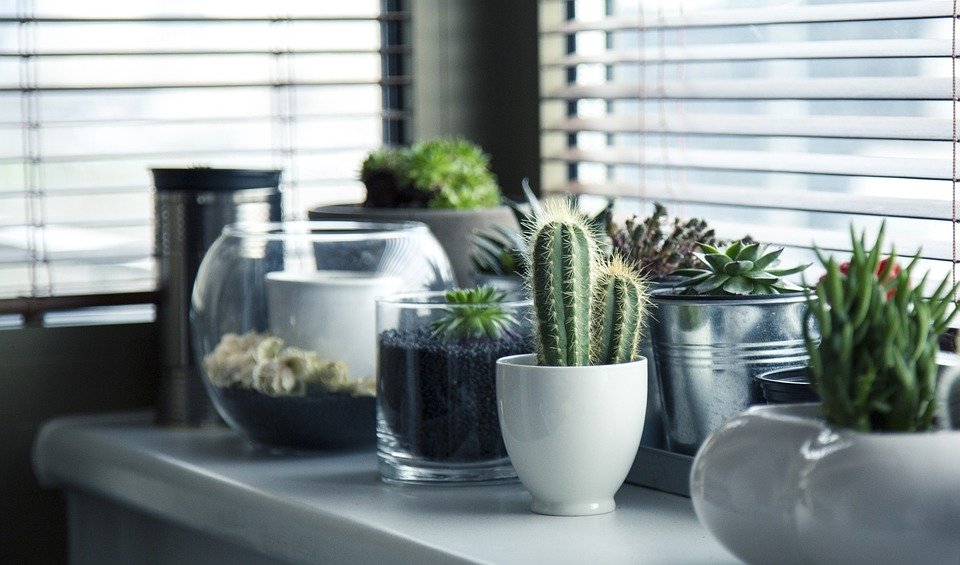
Maximizing Every Inch: Creative Techniques for Small Space Gardening
Urban dwellers or those with limited outdoor space often think that lush gardens are beyond their reach. However, with innovative thinking and strategic planning, small space gardening can yield surprising amounts of produce and beauty. This detailed guide explores various creative techniques and solutions for maximizing minimal spaces for gardening enthusiasts.
Understanding the Basics of Small Space Gardening
Before diving into complex strategies, it’s pivotal to grasp the fundamentals of small space gardening. Essentially, it involves utilizing every little corner, balcony, wall, or countertop to cultivate plants. The primary objectives are to optimize space efficiently, ensure sufficient light, and maintain soil quality.
1. Choosing the Right Plants
Selecting suitable plants that thrive in limited spaces and require less growth room is critical. Dwarf varieties of vegetables and certain herbs are ideal as they naturally require less space to flourish. Additionally, plants like tomatoes, peppers, and strawberries can be grown vertically, thus saving horizontal space.
2. Soil and Water Management
Effective management of soil health and water is a cornerstone of successful small space gardening. Opt for high-quality potting soil and consider self-watering containers to minimize maintenance and ensure that plants receive the necessary nutrients and hydration without overcrowding.
Vertical Gardening: A Game Changer
Vertical gardening is one of the most effective techniques to maximize space. It involves growing plants upwards using trellises, wall-mounted planters, hanging baskets, or even repurposing items like over-the-door shoe organizers.
Benefits of Vertical Gardening
This method not only saves floor space but also adds a distinctive aesthetic dimension to small areas. It can help in creating a privacy screen or a green wall, contributing to both beauty and utility in cramped spaces.
Types of Vertical Supports
Incorporate climbing plants like peas, beans, and certain types of squash. Installing sturdy supports such as wooden trellises or metal frames can ensure that your vertical garden grows robustly and remains secure.
Container Gardening: Flexibility and Accessibility
Containers are incredibly versatile for small space gardening. They can be moved to optimize sunlight exposure and can fit into various odd spaces, brightly enhancing balconies, rooftops, and patios.
Choosing Containers
The selection of containers can vary from traditional pots and planters to creative alternatives like barrels, buckets, or even upcycled items such as old tires and pallets. Ensure adequate drainage to prevent waterlogging, which can damage plant roots.
Plant Combination in Containers
To make the most out of your containers, practice “companion planting”. This method involves placing plants together that benefit each other by deterring pests or enhancing growth, such as tomatoes with basil or carrots with onions.
Utilizing Hanging Baskets and Window Boxes
Hanging baskets and window boxes not only save space but also embellish exterior walls and windows, bringing vibrancy and color to small areas.
Effective Use of Hanging Baskets
Choose plants with cascading qualities like petunias or creeping jenny. Ensure that hanging baskets are regularly watered and fertilized since they can dry out faster than other containers.
Maximizing Window Boxes
Window boxes are perfect for herbs, shallow-rooted vegetables, and colorful annuals. They are easily accessible and can transform windows into lively focal points.
Implementing Hydroponics and Aquaponics
For those with extremely limited space, soil-less gardening techniques such as hydroponics or aquaponics offer a viable solution. These systems allow for the cultivation of plants in water-based environments, which is not only space-efficient but also often results in faster plant growth.
Advantages of Hydroponics
Hydroponic systems eliminate the need for soil, reduce pest problems, and provide precise nutrient management. They can be set up indoors, like in a kitchen or a basement, thereby utilizing otherwise unused spaces.
Aquaponics Integration
Aquaponics combines fish farming with plant cultivation, where fish waste supplies nutrients for plants, and the plants help to filter and clean the water. This symbiotic system can be implemented in small barrels or tanks and provides both fresh produce and protein through fish.
Conclusion: Creative Strategies for Effective Small Space Gardening
Small space gardening requires creativity but is achievable and rewarding. By maximizing vertical space, utilizing containers smartly, embracing hydroponics, and employing other innovative techniques, you can create a lush, productive garden within limited space. Remember, every inch counts, and with the right strategies, even the smallest balcony or corner can transform into a thriving green area.
Incorporating these methods not only maximizes space but also enhances the aesthetic appeal of your home, provides fresh produce, and improves your well-being. So, start planning your small space garden today and enjoy the multitude of benefits it brings!