Easy-to-Grow Vegetables for First-Time Gardeners
Starting a vegetable garden can be a rewarding venture, especially for first-time gardeners. It offers a way to grow your own food, which can lead to better health and savings on grocery bills. However, knowing which vegetables to start with can be a challenge. This guide provides a list of easy-to-grow vegetables that are perfect for beginners and includes tips to help get your garden thriving.
Why Start a Vegetable Garden?
Before diving into the best vegetables for first-time gardeners, let’s explore the benefits of starting your own garden. Gardening can improve physical and mental health, connect you with nature, and provide a sense of accomplishment. Additionally, it can be a fun and educational activity for families to enjoy together.
Top Easy-to-Grow Vegetables
Here are some of the best vegetables that are forgiving to first-time mistakes and can thrive with minimal fuss.
1. Salad Greens (Lettuces, Spinach, and Arugula)
Salad greens like lettuce, spinach, and arugula are fast-growing crops that require little space and can even be grown in containers. They prefer cooler seasons but can be grown in summer with some shade. Frequent harvesting encourages more growth.
2. Radishes
Radishes are possibly the easiest vegetables to grow. They germinate quickly and can be harvested as soon as three weeks after planting. They’re also perfect for teaching kids about gardening, due to their fast and visible growth.
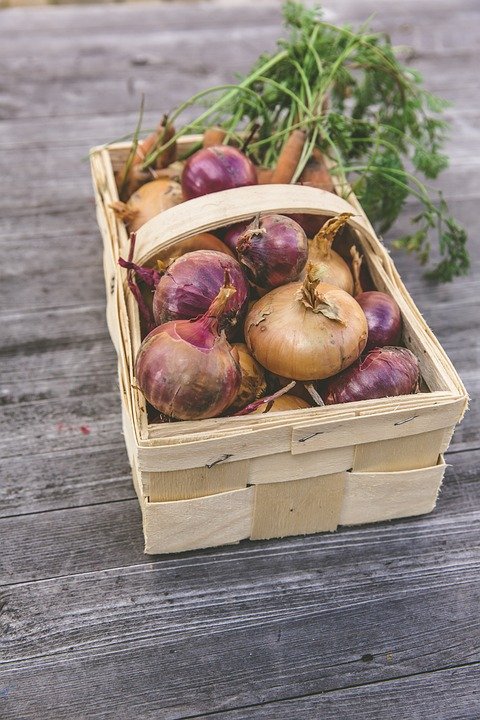
3. Carrots
Carrots require a bit more patience but are very straightforward to grow. They need sandy, loose soil. Thinning is necessary to avoid overcrowding, but once established, they require very little maintenance.
4. Zucchini and Summer Squash
These plants are prolific producers. They need regular watering and plenty of sun. One plant can produce a high yield, which can be great for sharing with neighbors or preserving for later use.
5. Peas
Peas are a cool-season crop that can be sown directly into the soil as soon as it can be worked in the spring. They require a support structure to climb, like a trellis, but otherwise need minimal intervention.
6. Potatoes
Potatoes are fun and easy to grow, and they can be cultivated in the ground or in specialized potato growing bags. They’re buried about a foot deep, and as they grow, you pile more soil on top to help them continue expanding.
7. Tomatoes
If you have a sunny spot, tomatoes can be a rewarding plant to grow. They need regular watering and benefit from staking or caging to support their growth. There are varieties available that are resistant to common diseases, which can be a great choice for beginners.
8. Bell Peppers
Bell peppers require a longer growing season, but they can also be started indoors or purchased as young plants. They love warm weather and need consistent moisture for optimal growth.
9. Cucumbers
Cucumbers grow well both in gardens and containers. They need ample space—or a trellis if space is limited—as they tend to sprawl. Regular watering is critical, especially when the plants start fruiting.
Gardening Tips for Success
Here are some tips to ensure your vegetable garden is a success:
- Start Simple: Choose easy vegetables and expand as you gain more experience and confidence.
- Use Quality Soil: Good soil is the foundation of a healthy garden. Ensure your soil is rich in nutrients and well-drained.
- Regular Watering: Most vegetables need an inch of water per week. Consistent watering is vital, especially in hot, dry weather.
- Control Weeds: Keep your garden beds free from weeds, which compete with your vegetables for nutrients and water.
- Learn From Mistakes: Gardening is a learning process. Take note of what works and what doesn’t, and adjust your practices each season.
Common Questions from First-Time Gardeners
Q: How much time do I need to dedicate to my garden?
A: Start small, and you can spend as little as an hour a week maintaining your garden. As you expand, your garden will require more time.
Q: What tools do I need?
A: Basic tools like a spade, a rake, and a watering can are essential. You might also want garden gloves and a hoe, depending on your garden’s size and type.
Q: Can I still garden if I don’t have a lot of space?
A: Absolutely! Many vegetables can be grown in pots or other containers. Consider vertical gardening techniques to maximize space.
Conclusion
Gardening is a fulfilling activity that can yield delicious results. By starting with these easy-to-grow vegetables, you can ensure a successful and bountiful first garden. Embrace the learning process and enjoy the journey of watching your plants grow and thrive.