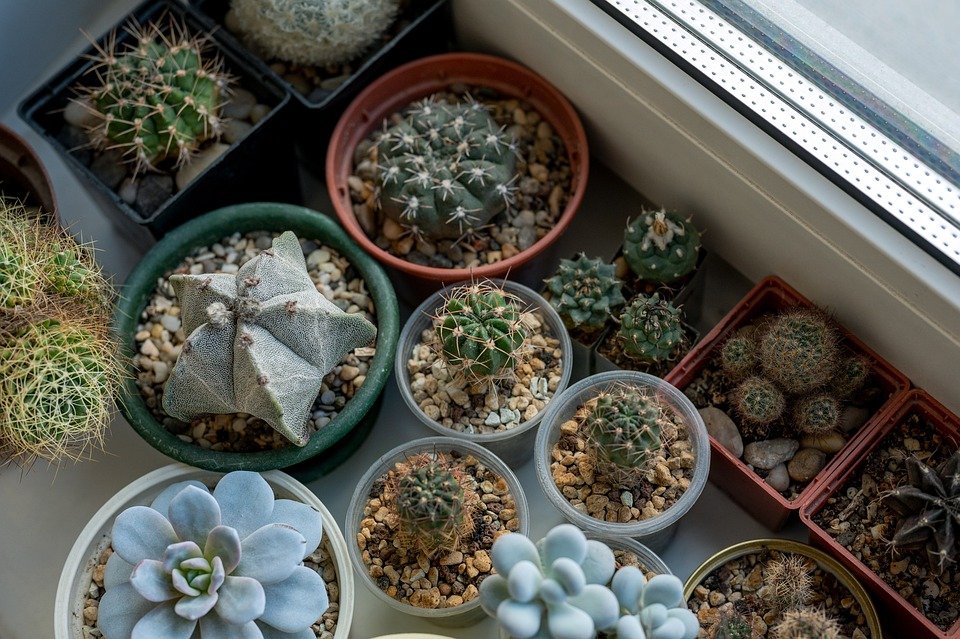
Beginner’s Guide to Thriving Indoor Plants
Welcome to the exciting world of indoor gardening! Whether you’re looking to enhance your home aesthetics, improve air quality, or simply add a touch of nature to your living space, this beginner’s guide will help you cultivate and maintain thriving indoor plants. Discover essential tips, common pitfalls to avoid, and the best practices to ensure your houseplants not only survive but flourish.
Understanding the Basics of Indoor Plant Care
Successful indoor gardening begins with understanding the basic needs of houseplants. Like all living things, plants require specific conditions to thrive, including proper lighting, watering, humidity, temperature, and nutrients. Here, we’ll break down these elements to help set up your indoor garden for success.
Lighting
Light is crucial for plant growth. Different plants require varying amounts of light, categorized into low, medium, and high light requirements. Assess the light levels in your home by observing how much natural sunlight enters through windows. North-facing windows often get less intense light, ideal for plants that thrive in low to medium light. South or west-facing windows provide more intense light, suitable for plants with high light needs. If natural light is limited, consider using grow lights.
Watering
Overwatering is a common cause of indoor plant demise. To avoid this, understand the watering needs of each plant. Most plants prefer the soil to be slightly dry between watering. A general rule of thumb is to water when the top inch of the soil is dry. Ensure your pots have drainage holes to prevent excess water from causing root rot.
Humidity and Temperature
Most indoor plants originate in tropical environments and prefer higher humidity and stable temperatures. If your home is dry, especially in winter, use a humidifier or mist your plants regularly to increase humidity. Keep plants away from direct heat sources and drafts to maintain consistent temperatures.
Fertilization
Feeding your plants the right nutrients can encourage growth. Use a balanced, water-soluble fertilizer every month during the growing season (spring and summer). Reduce fertilizing in the fall and winter when plant growth naturally slows.
Selecting the Right Plants for Your Space
Choosing the right plant types is crucial for beginner indoor gardeners. Consider your home environment and lifestyle when selecting your plants.
Low Maintenance Plants
If you have a busy schedule, consider low-maintenance varieties such as snake plants, ZZ plants, and spider plants. These are forgiving and can thrive with minimal care.
Pet-Friendly Plants
If you have pets, ensure the plants you bring into your home are non-toxic. Spider plants and Boston ferns are safe options for households with pets.
Common Challenges and Solutions
Even with the best care, sometimes plants struggle. Let’s address some common issues:
Pests
Pest infestations can be disheartening. Watch for signs like sticky leaves, webs, or visible bugs. Treat infestations early with insecticidal soap or neem oil.
Yellow Leaves
Yellowing leaves can be a sign of overwatering, poor drainage, or nutrient deficiencies. Assess your watering routine, ensure proper drainage in pots, and consider a soil test to check for nutrient needs.
Enhancing Your Indoor Garden
Beyond basic care, here are additional tips to beautify your space with plants:
Decorative Pots and Arrangements
Choose pots that complement your home decor but are also functional. Consider grouping plants of varying heights and leaves for visual interest.
Utilizing Vertical Space
If you’re limited on space, opt for vertical planters or hanging pots. These can add a fresh dynamic to small spaces.
Conclusion
Embarking on your indoor gardening journey can be a rewarding venture. Remember that patience and consistency are key to cultivating thriving indoor plants. By understanding and catering to the specific needs of your plants, you’re well on your way to creating a vibrant and inviting indoor garden. Explore, learn from your experiences, and most importantly, enjoy the process!
Happy planting!