From Seed to Bloom: A Beginner’s Guide to Starting Your Own Flower Garden
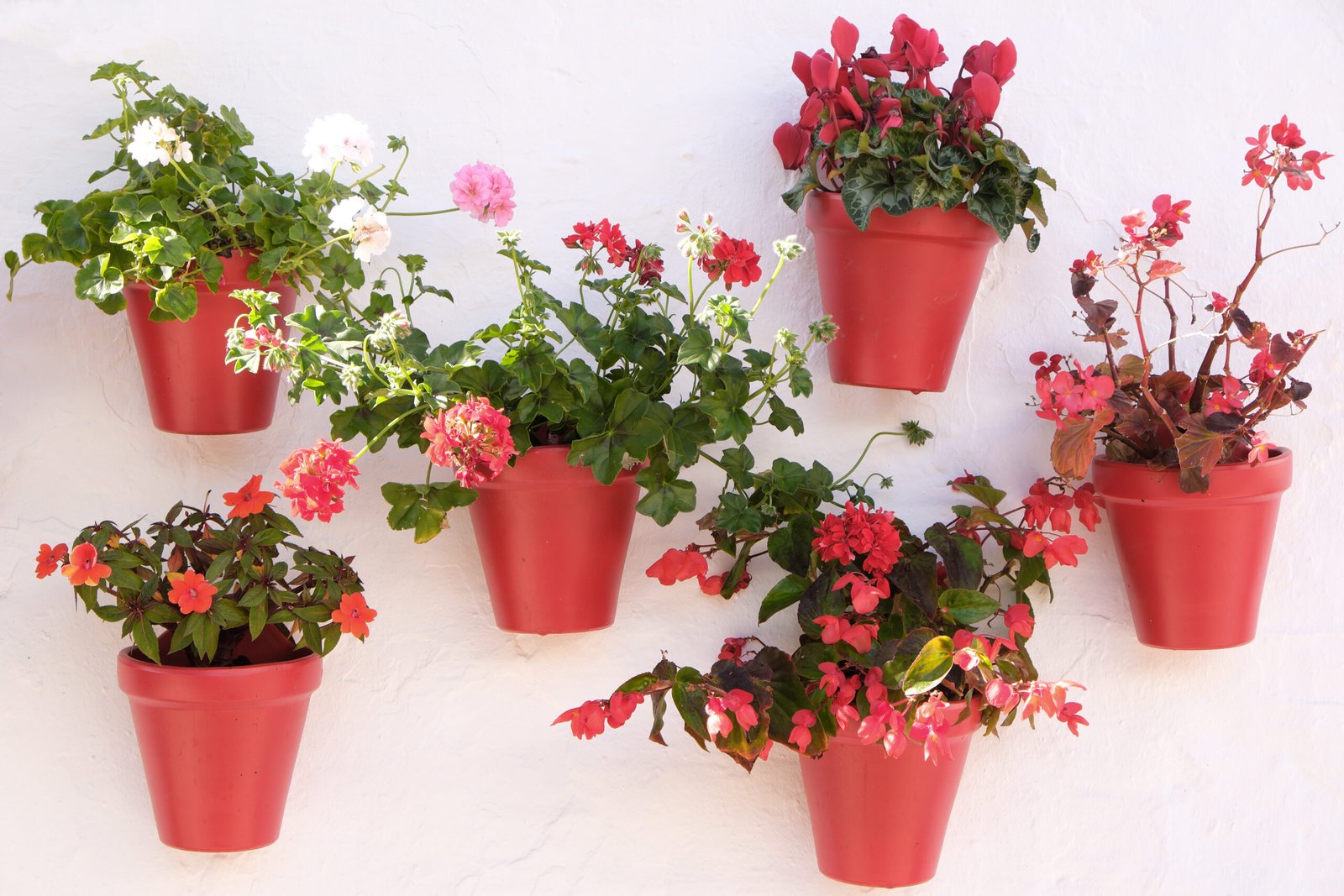
Starting your own flower garden is a rewarding endeavor that not only beautifies your space but also provides a soothing hobby. Whether you have a vast yard or a small balcony, this beginner’s guide will walk you through the basics, from choosing the right seeds to seeing your plants bloom. Let’s delve into the essentials of gardening and transform a green space into a colorful floral oasis.
Understanding the Basics of Flower Gardening
Before you begin, understanding a few key concepts can help ensure a successful garden. First, consider the climate and soil type of your area. Some plants thrive in warm, sunny conditions, while others prefer cooler, shaded environments. Soil type also significantly affects plant health, so consider testing your soil to determine if it needs any amendments.
Selecting the Right Flowers
Choosing the right flowers is critical for a thriving garden. Opt for native species, as these plants naturally adapt to your region’s environment and often require less maintenance. Additionally, consider the bloom time of each plant. Mixing perennials and annuals ensures your garden stays vibrant and colorful throughout the season.
Preparing Your Garden
Proper preparation is the cornerstone of any thriving garden. Here’s how to start:
Choosing the Location
Most flowers require adequate sunlight to thrive. Select a spot that gets at least six hours of direct sunlight per day. If your space receives less light, consider shade-tolerant flowers like impatiens or begonias.
Soil Preparation
Good soil is essential for healthy plants. Enhance your garden by incorporating organic matter like compost or well-rotted manure. It will improve soil texture, drainage, and nutrient content. For those planting in containers, use high-quality potting soil.
Planting Your Flowers
Starting Seeds Indoors
For many beginners, starting seeds indoors can be a practical approach, especially in regions with shorter growing seasons. Use seed trays with a quality starter mix and ensure consistent moisture and warmth. Transplant them outdoors after the last frost has passed.
Transplanting Seedlings
Carefully transplant your seedlings to your prepared garden bed or containers. Space them according to the recommendations on the seed packet or plant tag. This spacing allows adequate air circulation and reduces the risk of fungal diseases.
Direct Sowing
Some flowers are best sown directly into the garden. These include fast-growing or cold-hardy varieties like sunflowers and poppies. Direct sowing can be done after the danger of frost has passed, and the soil has warmed up.
Maintaining Your Flower Garden
Regular maintenance keeps your garden healthy and vibrant. Here are some tips:
Watering
Most flowers require regular watering, especially during dry spells. Water deeply rather than frequently, encouraging deeper root growth and making plants more drought-tolerant.
Weeding and Mulching
Keep your garden weed-free, as weeds compete with flowers for nutrients and water. Mulching with organic matter can suppress weeds, retain soil moisture, and improve soil health.
Deadheading and Pruning
Remove spent blooms (deadheading) to encourage more flowering. Some plants also benefit from periodic pruning to promote vigorous growth and optimal blooming.
Dealing with Pests and Diseases
Gardens may attract various pests and diseases. Monitoring your plants regularly and taking early action can prevent major outbreaks. Use environmentally friendly options like neem oil or insecticidal soap for pest control. For fungal diseases, ensure your plants have enough space for air circulation to keep leaves dry.
Enjoying Your Garden
As your garden matures, take time to enjoy the fruits of your labor. Engage in activities like photography or painting to capture your garden’s beauty, or simply enjoy a quiet moment among the blossoms.
Furthermore, flower gardens can be a source of cut flowers for your home or even a habitat for beneficial insects like bees and butterflies. By planting a variety of flowers, you create a vibrant ecosystem that supports local wildlife.
Conclusion
Starting a flower garden is a journey of learning and adaptation. Each step from planning and planting to daily care shapes the success of your garden. By following these beginner-friendly steps and tips, you’re well on your way to creating a stunning floral retreat that mirrors the joy of gardening. So arm yourself with seeds and tools, and embark on the gratifying path of turning seedlings into splendid blooms.