Starting Your Own Small Garden: A Simple Guide for Beginners
Starting your own garden can be a rewarding journey that enhances your home and provides a sustainable source of organic produce. Whether you have a vast backyard or a small balcony, this guide will help you embark on your gardening adventure with confidence.
Understanding the Basics of Gardening
Before you dig into the earth, it’s essential to grasp a few basic concepts. Gardening involves more than just planting seeds; it requires understanding soil types, knowing which plants are suitable for your local climate, and realizing the importance of sunlight and water.
Choosing the Right Location
The location of your garden significantly affects its success. Most vegetables need about 6-8 hours of direct sunlight per day. Observe your space at different times to find the spot that receives ample light. If you’re limited to less sunny areas, consider shade-tolerant plants like lettuce or spinach.
Soil Preparation
Soil health is crucial. Start with a soil test kit from your local garden store to check for pH levels and nutrient balance. Enhance your soil with compost or a suitable soil mix specific to the plants you wish to grow. Good drainage is also essential to prevent water-logging.
Planning Your Garden Layout
Designing your garden layout ensures you effectively use your space and plant positioning to maximize growth and health.
Raised Beds and Containers
For beginners, raised beds or containers offer a manageable, space-efficient gardening solution. They also help avoid some soil-borne problems and make it easier to control soil composition and drainage.
Companion Planting
Planting certain plants together can help deter pests, enhance growth, and optimize space. For example, marigolds repel garden pests, and planting basil near tomatoes can enhance their flavor.
Selecting Your Plants
Choose your plants based on the climate in your area. Local garden centers can provide advice on the best varieties for your region.
Starting with Easy Vegetables and Herbs
For beginners, it’s rewarding to start with easy-to-grow plants like tomatoes, peppers, radishes, basil, and cilantro. These plants generally require less maintenance and yield results quicker, making them great for boosting confidence.
Implementing Essential Gardening Techniques
Watering Your Garden
Proper watering is vital. Early morning is the best time to water plants because it allows the water to soak deeply into the soil, reaching the roots while minimizing evaporation. Overwatering can be just as harmful as under-watering, so ensure the soil is moist but not saturated.
Managing Weeds and Pests
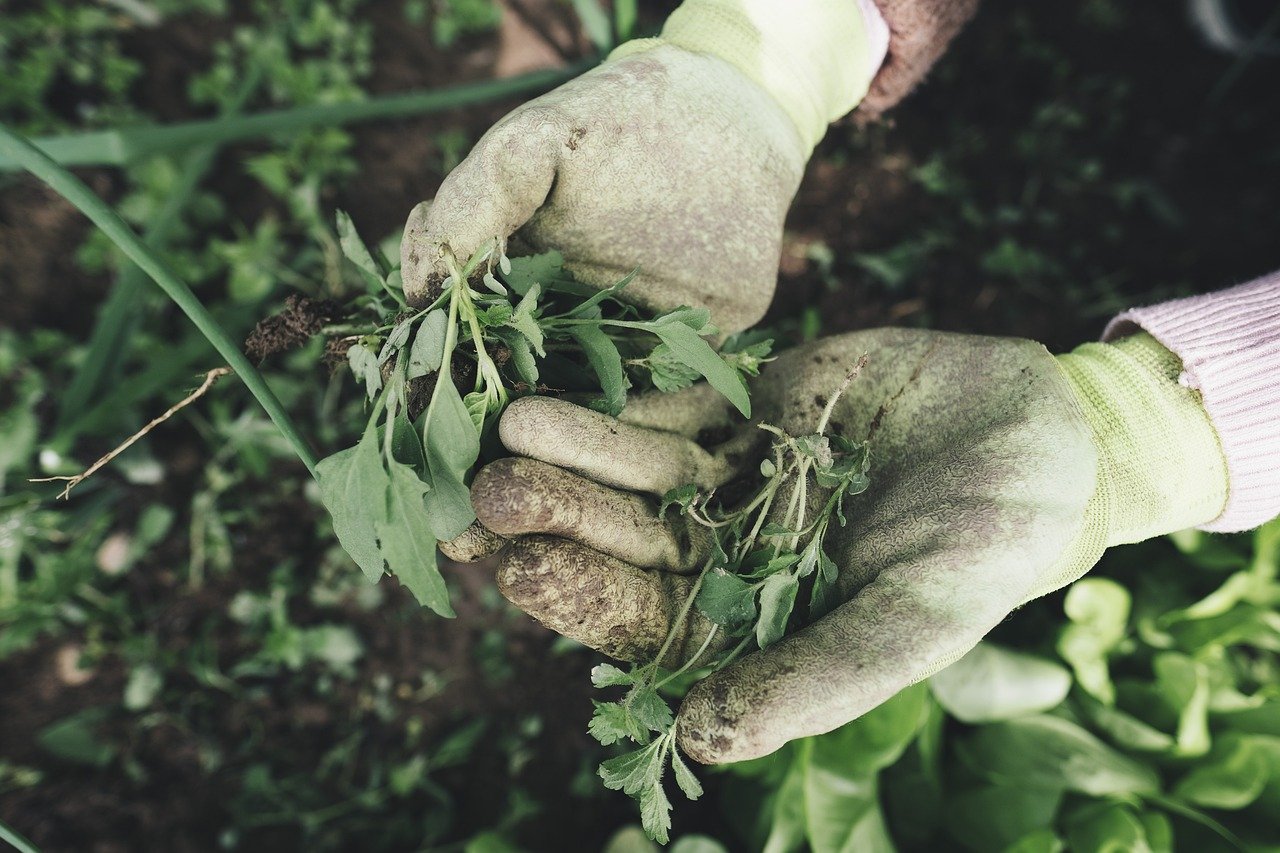
Regularly check your garden for weeds and pests. Mulching can prevent weeds and retain soil moisture. For pests, prefer organic solutions like neem oil or insecticidal soaps which are less harmful to the environment than chemical pesticides.
Maintaining Your Garden
Regular maintenance is key to a successful garden. This includes not only watering and weeding but also checking for diseased plants or nutrient deficiencies. Trim or prune plants as needed to encourage growth and productivity.
Seasonal Care
Understand the seasonal needs of your garden. Some plants may need extra protection from cold or heat. Learning about plant cycles and their growth phases can help you take preemptive measures to ensure year-round productivity.
Harvesting Your Produce
The rewarding part of gardening is harvesting. Pick vegetables and herbs when they are ripe; this encourages further production. For leafy greens, harvest in the morning when they are most crisp.
Expanding Your Garden
Once you’ve mastered the basics, consider expanding your garden. Experiment with new plant varieties or try more challenging ones like strawberries or carrots. Each season offers a chance to learn and grow different plants.
Conclusion
Gardening is a continuous learning experience, filled with trial and error. Engaging in community forums or local gardening groups can provide additional support and enrich your gardening knowledge. Remember, patience and persistence are key, and with time, your garden will flourish, providing not just food but also joy and a deep sense of accomplishment. Start small, think big, and grow your garden one season at a time.